You cannot talk about LGBTQ culture without talking about . Originating in the Black and Latinx trans communities of New York City, the Ballroom scene was a sanctuary where trans people—often rejected by their biological families—created "Houses" and competed in categories that celebrated their "realness" and creativity.
For LGBTQ+ culture to be genuinely inclusive, it must actively center and protect its transgender members. True solidarity involves moving beyond passive acceptance into active allyship. This means supporting trans-led organizations, defending access to healthcare, and listening to trans voices when shaping policies and cultural narratives. The history of the queer community proves that progress is only achieved when everyone moves forward together.
Countries like Argentina, Malta, and Spain have pioneered "self-determination" laws, allowing citizens to change their legal gender marker without requiring psychiatric evaluations or medical interventions.
Access to knowledgeable, respectful, and affordable gender-affirming care remains a major barrier. Transgender individuals experience higher rates of discrimination from medical providers, leading to delayed or avoided treatment.
These pictures weren't just about physical appearance; they told stories of resilience, courage, and the unyielding pursuit of happiness. Maya felt a surge of confidence and self-worth. She realized that she was not alone and that there were people out there who celebrated individuals like her.
The global phenomenon of "voguing" and "ballroom" (popularized by Paris is Burning and Pose ) is a direct creation of trans women and gay men of color. The balls of Harlem in the 1980s created a parallel society where trans women could be crowned "Mother" and achieve legendary status denied to them by the outside world. Today, phrases from ballroom ("slay," "shade," "spill the tea," "read") have become the vernacular of global pop culture, funneled through trans creativity.
LGBTQ consumer spending power in the U.S. is estimated at $1.4 trillion [1].
Massive contributions to fashion, music, literature, and visual arts. 🤝 The Intersection of Trans and LGBTQ+ Culture
Understanding this relationship requires looking at the historical roots, distinct cultural contributions, and modern challenges that define this vibrant global community. The Historical Foundations of Intersection
While the transgender community shares the triumphs of the broader LGBTQ culture—such as increased legal protections and societal acceptance in many parts of the world—it also faces distinct, systemic challenges. Healthcare and Legal Battles
Understanding the Transgender Community Within LGBTQ+ Culture: History, Intersectionality, and the Fight for Visibility
Discussions regarding body positivity and diversity are prevalent across various digital communities. Within the transgender community, many individuals share content that celebrates different body types, including plus-size figures, to promote self-love and visibility.
Originating in Harlem during the late 20th century, the Ballroom subculture was created by Black and Latino transgender and queer youth as a safe haven from racism and transphobia. This underground culture birthed "voguish" dance styles, unique runway categories, and linguistic terms—such as "spilling tea," "throwing shade," and "work"—that are now staples of everyday global vernacular. Shows like Pose and RuPaul’s Drag Race have brought these elements into the mainstream, showcasing the creative genius of trans pioneers. Media Representation
Gender identity refers to a person's deeply felt, internal sense of being male, female, non-binary, or another gender. Transgender individuals have a gender identity that differs from the sex they were assigned at birth. Cisgender individuals have a gender identity that aligns with their assigned sex at birth. Sexual Orientation
Pic Best ((full)): Black Fat Shemale
You cannot talk about LGBTQ culture without talking about . Originating in the Black and Latinx trans communities of New York City, the Ballroom scene was a sanctuary where trans people—often rejected by their biological families—created "Houses" and competed in categories that celebrated their "realness" and creativity.
For LGBTQ+ culture to be genuinely inclusive, it must actively center and protect its transgender members. True solidarity involves moving beyond passive acceptance into active allyship. This means supporting trans-led organizations, defending access to healthcare, and listening to trans voices when shaping policies and cultural narratives. The history of the queer community proves that progress is only achieved when everyone moves forward together.
Countries like Argentina, Malta, and Spain have pioneered "self-determination" laws, allowing citizens to change their legal gender marker without requiring psychiatric evaluations or medical interventions.
Access to knowledgeable, respectful, and affordable gender-affirming care remains a major barrier. Transgender individuals experience higher rates of discrimination from medical providers, leading to delayed or avoided treatment.
These pictures weren't just about physical appearance; they told stories of resilience, courage, and the unyielding pursuit of happiness. Maya felt a surge of confidence and self-worth. She realized that she was not alone and that there were people out there who celebrated individuals like her.
The global phenomenon of "voguing" and "ballroom" (popularized by Paris is Burning and Pose ) is a direct creation of trans women and gay men of color. The balls of Harlem in the 1980s created a parallel society where trans women could be crowned "Mother" and achieve legendary status denied to them by the outside world. Today, phrases from ballroom ("slay," "shade," "spill the tea," "read") have become the vernacular of global pop culture, funneled through trans creativity.
LGBTQ consumer spending power in the U.S. is estimated at $1.4 trillion [1].
Massive contributions to fashion, music, literature, and visual arts. 🤝 The Intersection of Trans and LGBTQ+ Culture
Understanding this relationship requires looking at the historical roots, distinct cultural contributions, and modern challenges that define this vibrant global community. The Historical Foundations of Intersection
While the transgender community shares the triumphs of the broader LGBTQ culture—such as increased legal protections and societal acceptance in many parts of the world—it also faces distinct, systemic challenges. Healthcare and Legal Battles
Understanding the Transgender Community Within LGBTQ+ Culture: History, Intersectionality, and the Fight for Visibility
Discussions regarding body positivity and diversity are prevalent across various digital communities. Within the transgender community, many individuals share content that celebrates different body types, including plus-size figures, to promote self-love and visibility.
Originating in Harlem during the late 20th century, the Ballroom subculture was created by Black and Latino transgender and queer youth as a safe haven from racism and transphobia. This underground culture birthed "voguish" dance styles, unique runway categories, and linguistic terms—such as "spilling tea," "throwing shade," and "work"—that are now staples of everyday global vernacular. Shows like Pose and RuPaul’s Drag Race have brought these elements into the mainstream, showcasing the creative genius of trans pioneers. Media Representation
Gender identity refers to a person's deeply felt, internal sense of being male, female, non-binary, or another gender. Transgender individuals have a gender identity that differs from the sex they were assigned at birth. Cisgender individuals have a gender identity that aligns with their assigned sex at birth. Sexual Orientation





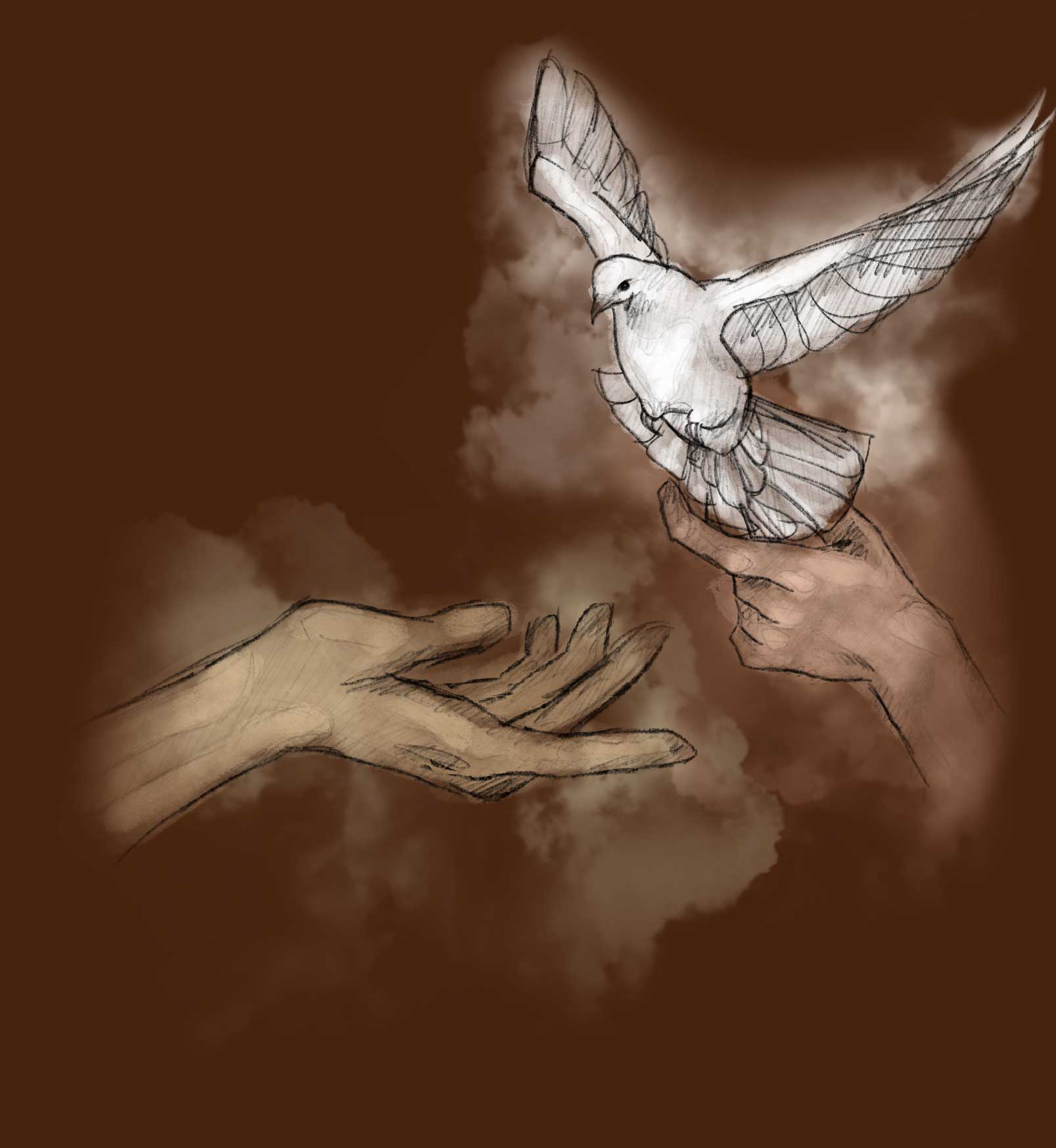

 Liturgy Of The Hours by DivineOffice.org App
 2000+ Catholic Prayers in 4 Languages
 Catholicpedia: the 1920s Catholic Encyclopedia at your fingertips
 Apple Podcasts
 Spotify
 YouTube
 RSS Feed
 Daily Mass Readings (USCCB)
 Catholic Bible (NABRE)
 Pray the Rosary












 Prayers
 Community
 More
More