




.jpg)
Featured Products
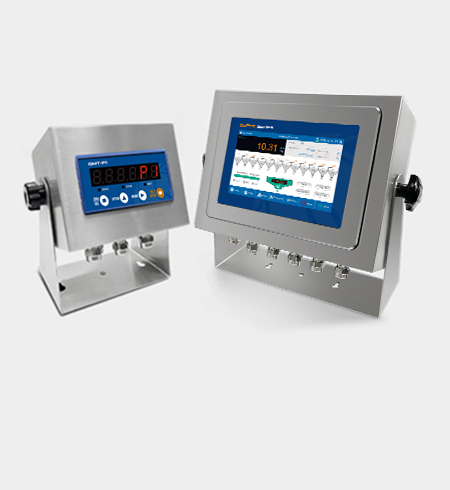
Weighing indicators

Checkweighers
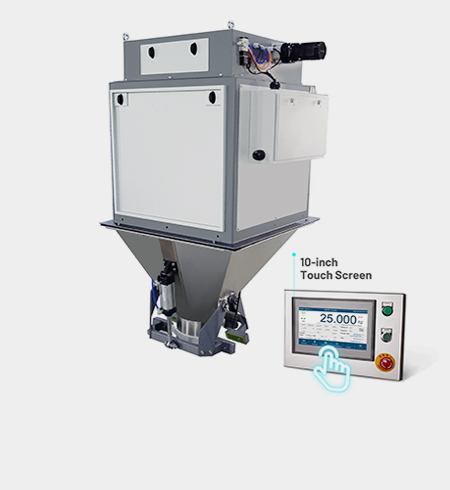
Bagging Scales
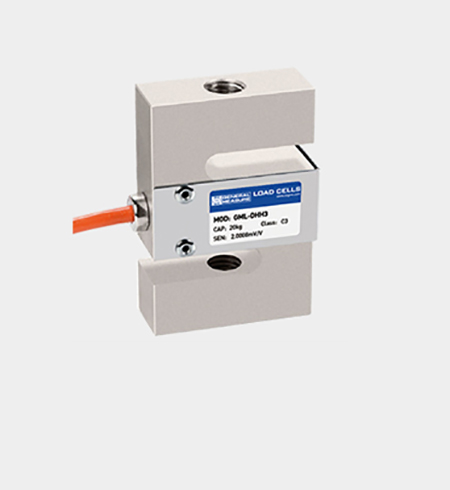
Load Cells
: A 16-character ASCII string (found in mobile binaries or web JS) used to encrypt login parameters and API requests.
The concept of a "Deezer master decryption key" refers to the cryptographic keys used by third-party tools to bypass Deezer's Digital Rights Management (DRM) and download tracks directly as local files (e.g., MP3 or FLAC). While Deezer does not officially provide these keys, they have historically been extracted from the platform's API and application binaries by the developer community. How Deezer Decryption Keys Function
The key is typically derived from the API call data, specifically looking for the specific MD5_ORIGIN and track identifiers, as highlighted in this analysis of a malicious PyPI package .
The key to decrypt a specific song is derived from the Hex MD5 of the song ID .
Every track on Deezer has a unique numerical ID.
Today, public "master decryption keys" for Deezer no longer function for high-quality audio ripping. While legacy tools occasionally work for low-bitrate MP3 files on poorly patched regional servers, high-fidelity downloading requires advanced DRM-bypassing tools. These tools are far more complex than a simple static key configuration.
To optimize performance, Deezer does not always encrypt the entire file. Instead, it often encrypts only every third block of 2048 bytes . This is enough to make the file unplayable (resulting in heavy audio glitches) without the correct key.
Digital music distribution has revolutionized the way we consume music. However, this shift has also raised concerns about copyright infringement and piracy. To mitigate these risks, music streaming services like Deezer have implemented DRM systems. DRM involves encrypting digital content, such as audio streams, to prevent unauthorized access. The master decryption key is a crucial element in this process, as it enables the decryption of encrypted content.
To understand how the master decryption key functioned, you must understand how Deezer historically delivered music to its users.
The primary engineering flaw in a static master decryption key system is its reliance on . Because the master key must be present inside the application to decrypt the music, it can ultimately be found by reverse-engineering the software.
Understanding the Deezer Master Decryption Key: How It Works and Its Current Status
The decryption process requires three main elements: the encrypted file, the track ID, and the master key.
_Manual_Batching_Mode.jpg)
: A 16-character ASCII string (found in mobile binaries or web JS) used to encrypt login parameters and API requests.
The concept of a "Deezer master decryption key" refers to the cryptographic keys used by third-party tools to bypass Deezer's Digital Rights Management (DRM) and download tracks directly as local files (e.g., MP3 or FLAC). While Deezer does not officially provide these keys, they have historically been extracted from the platform's API and application binaries by the developer community. How Deezer Decryption Keys Function
The key is typically derived from the API call data, specifically looking for the specific MD5_ORIGIN and track identifiers, as highlighted in this analysis of a malicious PyPI package .
The key to decrypt a specific song is derived from the Hex MD5 of the song ID .
Every track on Deezer has a unique numerical ID.
Today, public "master decryption keys" for Deezer no longer function for high-quality audio ripping. While legacy tools occasionally work for low-bitrate MP3 files on poorly patched regional servers, high-fidelity downloading requires advanced DRM-bypassing tools. These tools are far more complex than a simple static key configuration.
To optimize performance, Deezer does not always encrypt the entire file. Instead, it often encrypts only every third block of 2048 bytes . This is enough to make the file unplayable (resulting in heavy audio glitches) without the correct key.
Digital music distribution has revolutionized the way we consume music. However, this shift has also raised concerns about copyright infringement and piracy. To mitigate these risks, music streaming services like Deezer have implemented DRM systems. DRM involves encrypting digital content, such as audio streams, to prevent unauthorized access. The master decryption key is a crucial element in this process, as it enables the decryption of encrypted content.
To understand how the master decryption key functioned, you must understand how Deezer historically delivered music to its users.
The primary engineering flaw in a static master decryption key system is its reliance on . Because the master key must be present inside the application to decrypt the music, it can ultimately be found by reverse-engineering the software.
Understanding the Deezer Master Decryption Key: How It Works and Its Current Status
The decryption process requires three main elements: the encrypted file, the track ID, and the master key.