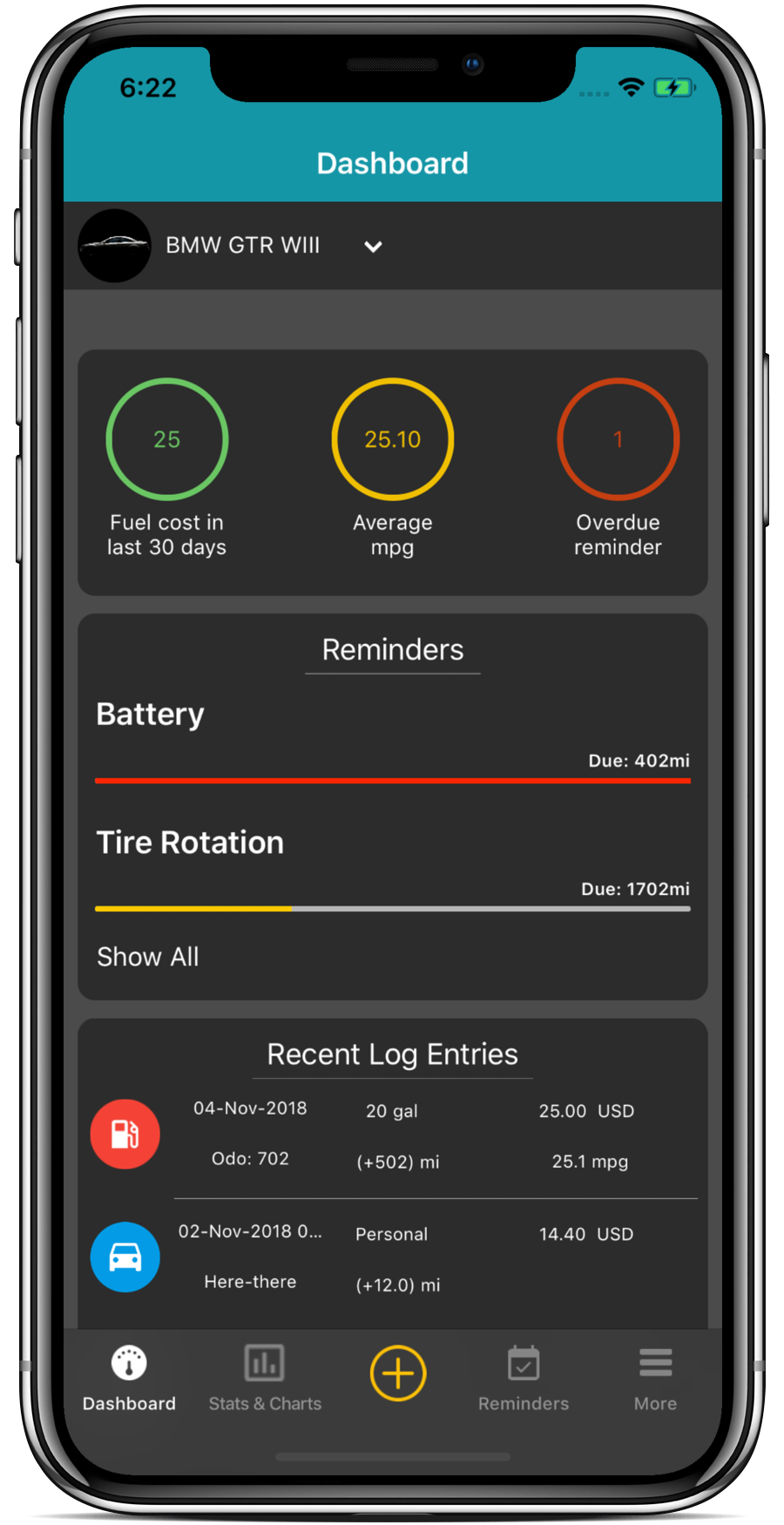
Record fill-ups for all your cars and monitor your car’s efficiency.
Need to track business mileage? Just start auto trip and we will track all your trips in the background whenever you are on the move.
Don’t lose sight of your maintenance and services. Log your services and we will remind you when its due.
Know your vehicle's running costs and plan for your expenses.
Sign into the cloud and get easy access to all your data from anywhere and any device.
Run your reports or schedule them weekly or monthly to know more about your fill-ups , mileage and expenses.
However, "Lemon" is a cultural staple in Japan through other famous creators, and Natsuko Tohno is a recognized author. You might be thinking of one of the following: 1. Natsuko Tohno (Author) Natsuko Tohno
For those interested in media history, Lemon Song serves as a representative example of the "image video" format that was popular in Japan during the transition from VHS to digital media.
Like many of her works, food and the act of eating are used as metaphors for social consumption and control. Lemon Song Natsuko Tohno
The enduring popularity of "Lemon Song" has led to numerous covers and adaptations. In 2002, a Korean version of the song was released, performed by the K-pop group, Swi.T. The song has also been covered by Chinese singers, including Zhao Lirong and Wang Feng, who have adapted the lyrics to their native language.
Before dissecting the "Lemon Song," one must understand its creator. Natsuko Tohno (born May 4, 1974, in Tokyo) is a singer-songwriter and actress who carved a unique niche in the late 1990s and early 2000s alternative J-Pop scene. Unlike the polished, manufactured idols of the era, Tohno possessed a raw, almost theatrical vocal style—capable of childlike whimsy one moment and devastating melancholy the next. However, "Lemon" is a cultural staple in Japan
Tohno, known for her work as the vocalist and guitarist of the critically acclaimed band Tricot , brings her signature technical playfulness to “Lemon Song.” The track features:
In this work, Tohno continues her exploration of the grotesque and the mundane. The "lemon" serves as a sharp, acidic contrast to the often dull or stifling environments her characters inhabit. Like many of her works, food and the
Key lines from the chorus (translated) capture this duality:
: Frontman Robert Plant incorporated hyper-sexualized delta blues metaphors, famously borrowing the phrase "squeeze my lemon" from Robert Johnson’s 1937 "Travelling Riverside Blues".
When Tohno sings, she employs a technique that blurs the line between singing and speaking. There is a palpable sense of resignation in her delivery. She isn't begging a lover to stay, nor is she angry. She is observant, documenting the decay of intimacy with a weary clarity. The production places her voice right at the front of the mix, dry and present, making the listener feel as though she is sitting directly across the table.
Natsuko Tohno had a relatively short career in the Japanese entertainment industry during the mid-1990s. Following the release of Lemon Song , she appeared in several other media formats before transitioning out of the public eye.

However, "Lemon" is a cultural staple in Japan through other famous creators, and Natsuko Tohno is a recognized author. You might be thinking of one of the following: 1. Natsuko Tohno (Author) Natsuko Tohno
For those interested in media history, Lemon Song serves as a representative example of the "image video" format that was popular in Japan during the transition from VHS to digital media.
Like many of her works, food and the act of eating are used as metaphors for social consumption and control.
The enduring popularity of "Lemon Song" has led to numerous covers and adaptations. In 2002, a Korean version of the song was released, performed by the K-pop group, Swi.T. The song has also been covered by Chinese singers, including Zhao Lirong and Wang Feng, who have adapted the lyrics to their native language.
Before dissecting the "Lemon Song," one must understand its creator. Natsuko Tohno (born May 4, 1974, in Tokyo) is a singer-songwriter and actress who carved a unique niche in the late 1990s and early 2000s alternative J-Pop scene. Unlike the polished, manufactured idols of the era, Tohno possessed a raw, almost theatrical vocal style—capable of childlike whimsy one moment and devastating melancholy the next.
Tohno, known for her work as the vocalist and guitarist of the critically acclaimed band Tricot , brings her signature technical playfulness to “Lemon Song.” The track features:
In this work, Tohno continues her exploration of the grotesque and the mundane. The "lemon" serves as a sharp, acidic contrast to the often dull or stifling environments her characters inhabit.
Key lines from the chorus (translated) capture this duality:
: Frontman Robert Plant incorporated hyper-sexualized delta blues metaphors, famously borrowing the phrase "squeeze my lemon" from Robert Johnson’s 1937 "Travelling Riverside Blues".
When Tohno sings, she employs a technique that blurs the line between singing and speaking. There is a palpable sense of resignation in her delivery. She isn't begging a lover to stay, nor is she angry. She is observant, documenting the decay of intimacy with a weary clarity. The production places her voice right at the front of the mix, dry and present, making the listener feel as though she is sitting directly across the table.
Natsuko Tohno had a relatively short career in the Japanese entertainment industry during the mid-1990s. Following the release of Lemon Song , she appeared in several other media formats before transitioning out of the public eye.

Simply Fleet is a simple and affordable software to help you track, monitor and analyse your fleet’s operations.